
Rhodes Grass (Hay)
Rhodes grass is a perennial, warm-season grass native to Africa, widely cultivated in tropical and subtropical regions for its exceptional forage quality. Known for its deep-rooting system, resilience, and adaptability, Rhodes grass thrives in a variety of soil types, including sandy, loamy, and clay soils, and can tolerate drought conditions better than many other grasses. It grows quickly and provides a high yield of palatable, nutrient-rich fodder for livestock such as cattle, sheep, goats, and horses. The grass is not only valued for its quantity but also for its quality, offering a rich source of protein, fiber, and essential nutrients that contribute to healthy livestock growth, reproduction, and milk production. Beyond its role in animal nutrition, Rhodes grass also helps in soil conservation, preventing erosion, and improving soil structure due to its extensive root system. Its ability to regenerate after grazing makes it a sustainable option for pastures, ensuring continuous fodder availability throughout the growing season.
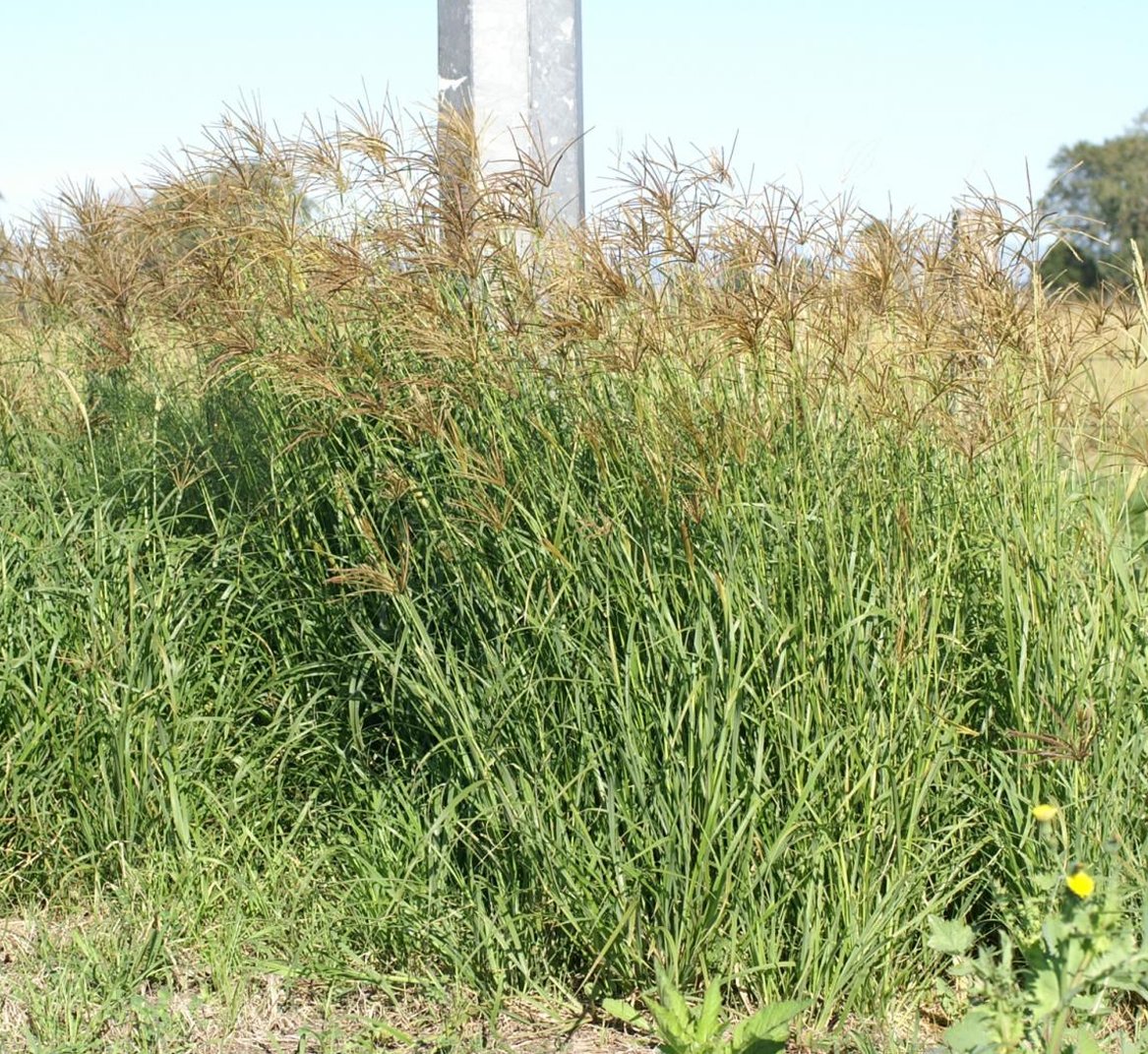
Why Choose Rhodes Grass (Hay)?
Rhodes Grass (Hay) is a high-quality, nutrient-rich forage that provides animals with a reliable source of fiber, energy, and essential nutrients. Carefully harvested and dried to preserve its nutritional value, it supports healthy digestion, proper rumen function, and overall animal wellbeing. Ideal for cattle, sheep, goats, and other ruminants, Rhodes Grass hay promotes steady growth, maintains body condition, and enhances milk production. Its palatability encourages consistent feed intake, while its durability and low moisture content make it easy to store and handle with minimal wastage. Choosing Rhodes Grass (Hay) ensures your animals receive a wholesome, cost-effective, and balanced feed that supports health, productivity, and long-term performance.
Benefits of Rhodes Grass (Hay)
High Nutritional Value: Provides essential proteins, minerals, and fiber for livestock growth and development.
Drought Tolerant: Can survive and produce forage even in low-rainfall regions.
Fast Growth and High Yield: Produces abundant biomass, ensuring a consistent food supply for animals.
Palatable for Livestock: Animals readily consume it, leading to better feed intake and weight gain.
Improves Soil Health: Deep roots enhance soil structure and fertility, preventing erosion.
Supports Milk Production: Rich nutrients in Rhodes grass can boost milk yield in dairy animals.
Sustainable Forage: Regenerates quickly after grazing, making it suitable for rotational grazing systems.
Adaptable to Various Soils: Can grow in sandy, loamy, and clay soils, providing flexibility for farmers.
Reduces Feed Costs: High yield and nutritional content reduce the need for supplemental feeds.
Resistant to Pests and Diseases: Hardy nature minimizes losses and reduces reliance on chemicals.