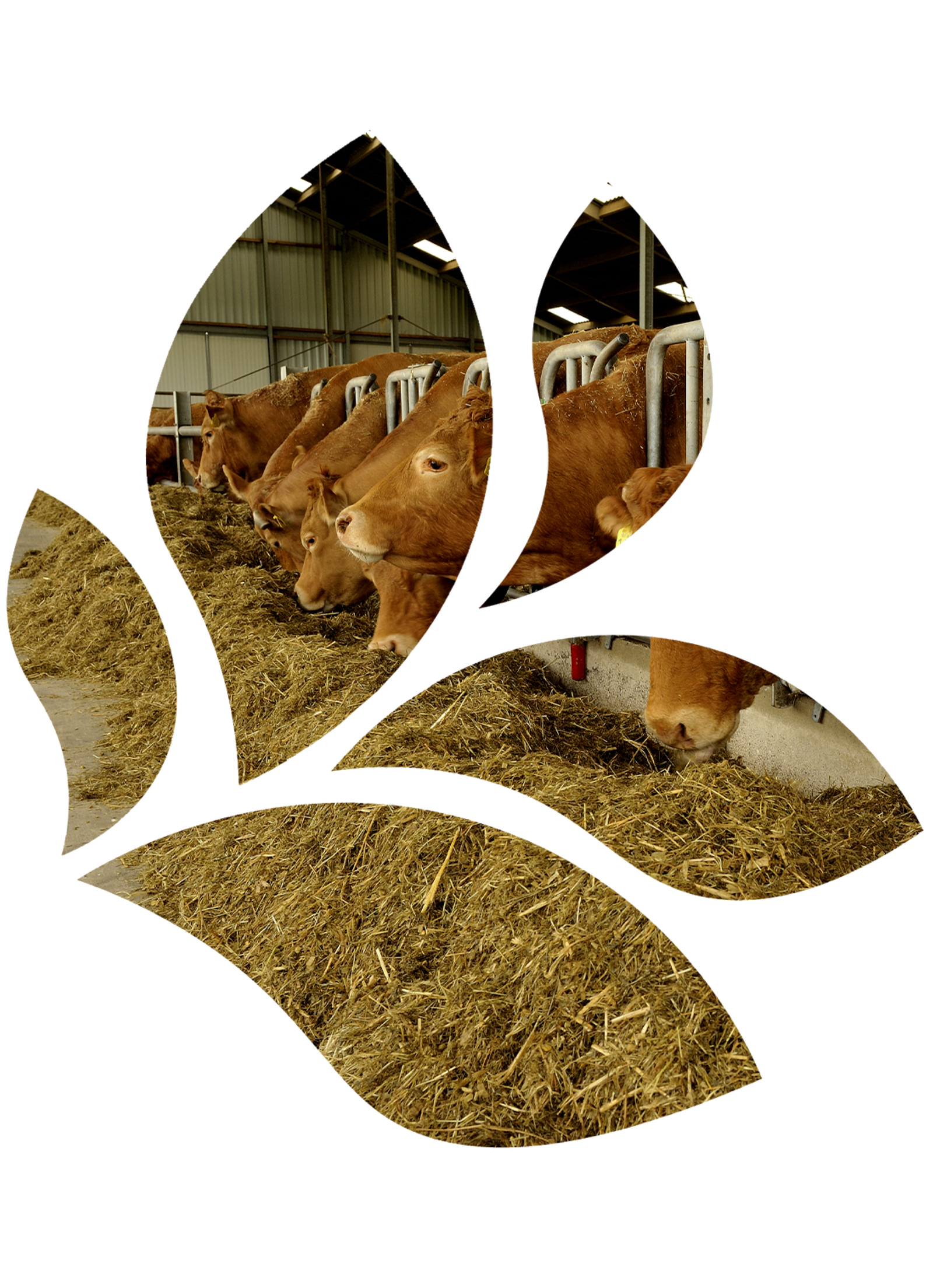
OATS SILAGE
Oats, a cereal grain renowned for its strong nutritional profile, form the basis of nutrient-dense oat silage. This forage is not only rich in proteins, fiber, vitamins, and minerals but also serves as a significant source of long lasting energy. The complex carbohydrates found in oats, primarily in the form of beta-glucans, contribute to a sustained and gradual release of energy. This helps in maintaining blood sugar levels and provides a steady source of fuel for the body over an extended duration.
This quality makes oats silage particularly well-suited for various working and performance animals, such as horses and camels that are engaged in activities requiring physical
exertion, agility, and endurance. Given their crucial roles in agriculture, transportation, sports, and various other sectors, ensuring optimal nutrition becomes essential for their overall performance and well-being
BENEFITS OF OAT SILAGEFOR LIVESTOCK ANIMALS
Nutritional Value: Oat silage is nutrient-dense, containing essential proteins, fiber, vitamins, and minerals. The nutrient richness in this feed contributes to a well-rounded and balanced diet for livestock, meeting their overall nutritional requirements and fostering muscle development, bone health, and general well-being.
High Digestibility: The fermentation process involved in making silage can enhance the digestibility of oats. Livestock may find it easier to consume and digest, making the nutrients more readily available for absorption.
High Energy Content: The high energy content of oat silage, primarily in the form of complex carbohydrates, proves invaluable for fulfilling the heightened energy requirements of livestock animals. This nutrient richness is particularly beneficial during diverse activities, including growth phases, reproduction, and the overall metabolic needs of the animals.
Improved Hydration: The higher moisture content found in oat silage contributes to improved hydration in livestock. This is particularly crucial for maintaining optimal health and performance, especially in situations where animals may require increased water intake.
Reduced Respiratory Issues: Silage, with its lower dust content compared to dry forages, plays a role in minimizing the risk of allergies and respiratory problems in livestock. By reducing irritation and inflammation in the lungs, silage effectively lowers the risk of various respiratory conditions, including Bovine Respiratory Disease (BRD) in cattle, Camel Respiratory Syndrome (CRS) in camels, and equine asthma in horses. This contributes to the elevated overall respiratory health of these animals.
High Palatability: Livestock animals exhibit a strong preference for oat silage,finding it palatable and enticing. This heightened appeal encourages animals to willingly consume more feed, ensuring a consistent and sufficient daily intake, ultimately supporting increased milk production in dairy animals.
Feeding Flexibility: Oat silage offers versatility in various livestock feeding strategies, whether serving as a primary forage source or being integrated into a total mixed ration (TMR) to ensure a balanced diet.This adaptability allows for customization according to the distinct nutritional requirements of different livestock species.