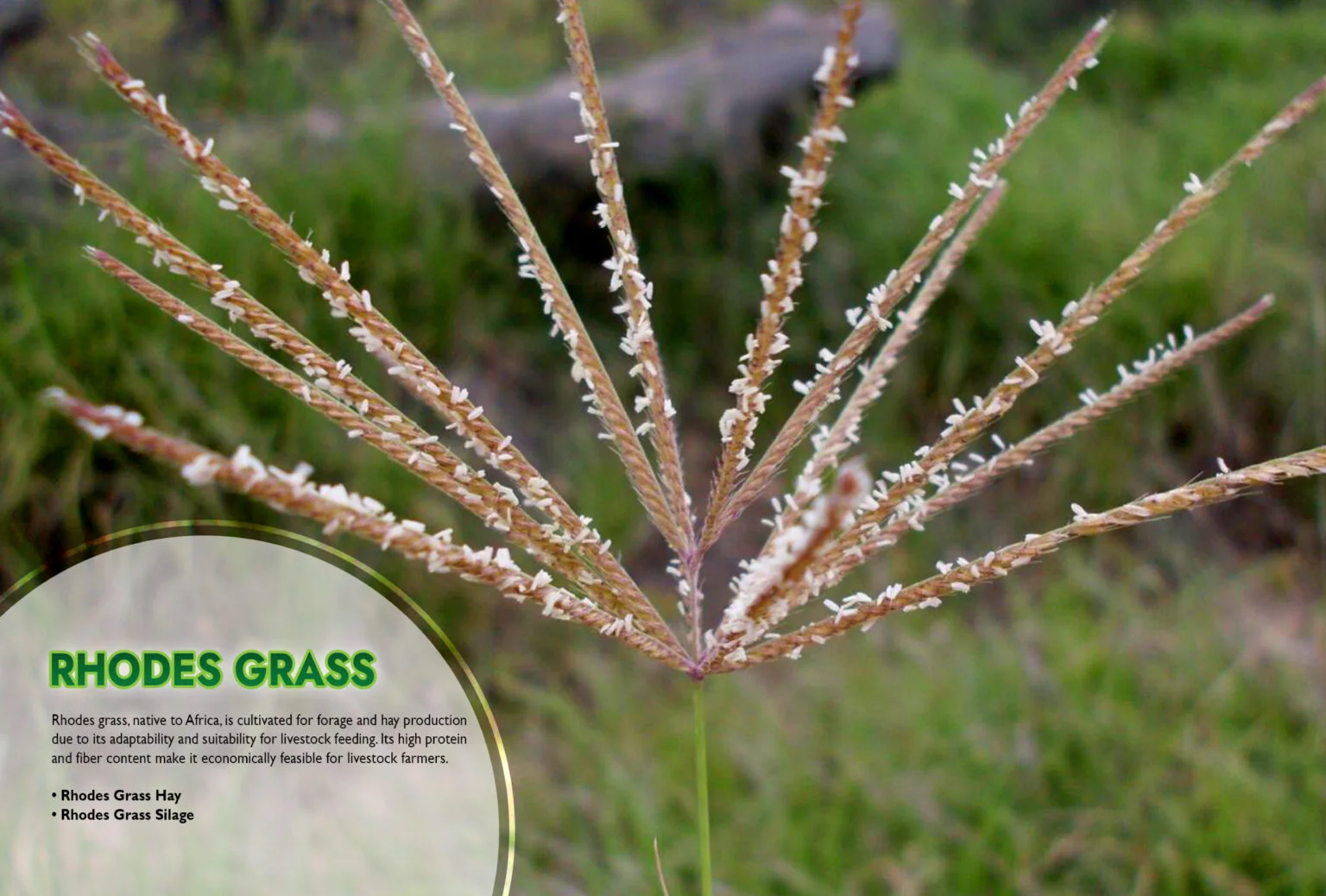
RHODES GRASS HAY
Rhodes grass is harvested before seeding, ensuring high nutritional value. It undergoes curing to reduce moisture content and prevent mold.The dried grass is compressed into dense bales using advanced machinery, ensuring efficient transportation and storage. This method maintains the hay’s nutritional value.
BENEFITS
High Nutrient Content: Rhodes grass hay is rich in nutrients, including protein, fiber, vitamins, and minerals. While the nutrient content can vary depending on factors like maturity at harvest, it is generally considered a good source of overall nutrition for livestock.
High Palatability: Livestock find rhodes grass very palatable, which encourages them to consume an adequate amount of feed.This is important for maintaining proper nutrition and preventing issues related to poor feed intake.
High Digestibility: Rhodes grass hay has good digestibility, meaning that animals can efficiently break down and absorb the nutrients it contains. This helps in maximizing the utilization of the feed and promoting efficient digestion in livestock.
Fiber Source: The fiber content in rhodes grass hay is advantageous for the digestive health of livestock. Sufficient fiber promotes proper gut function and plays a preventive role in issues like colic, bloat, gastric ulcers and other digestive disorders.
Maintains Dental Health: Chewing on rhodes grass hay functions as natural dental floss, actively promoting the natural wear of teeth in livestock and supporting overall dental health. This process effectively files down the continuously growing teeth of cattle and horses, preventing the development of painful malocclusion.As a result, these animals can chew efficiently and maintain optimal dental well-being throughout their lives.
Weight Maintenance: Rhodes grass hay is a balanced energy source for livestock nutrition, supporting daily activities and metabolic functions. It maintains optimal body weight, especially in mature animals, and adapts well to changing energy needs. Whether supporting routine tasks or addressing specific nutritional needs in phases like late pregnancy or lactation, Rhodes grass hay consistently provides the necessary energy for overall health and vitality across various stages of animal development and production.
Promoting Weight Gain: Rhodes grass hay offers a moderate protein content, contributing to muscle development and overall body condition. For young livestock in growth phases, it provides essential, easily accessible protein, supporting muscle development and overall health. In reproductive animals, especially during the critical phases of pregnancy and lactation, the moderate protein content in Rhodes grass hay plays a crucial role in maintaining optimal body condition for both the mother and her offspring.This ensures that the necessary protein is available to support the increased nutritional demands associated with fetal development and milk production. Moreover, in situations where animals need to gain weight before market sale, the balanced combination of energy and protein in Rhodes grass hay proves invaluable. This nutritional balance supports healthy weight gain without promoting excessive fat accumulation, thereby enhancing the overall market readiness of the animals.
Economical Forage Option: Due to its widespread availability and relatively economical production costs, Rhodes grass is often deemed a practical and cost-effective option for livestock feed.
Low Risk of Respiratory Issues: High-quality Rhodes grass hay with minimal dust content is crucial in mitigating the risk of respiratory issues in livestock. Forages that are dusty or moldy have the potential to contribute to respiratory problems. Therefore, prioritizing clean and well-handled hay becomes essential for maintaining optimal respiratory health in livestock.
RHODES GRASS SILAGE
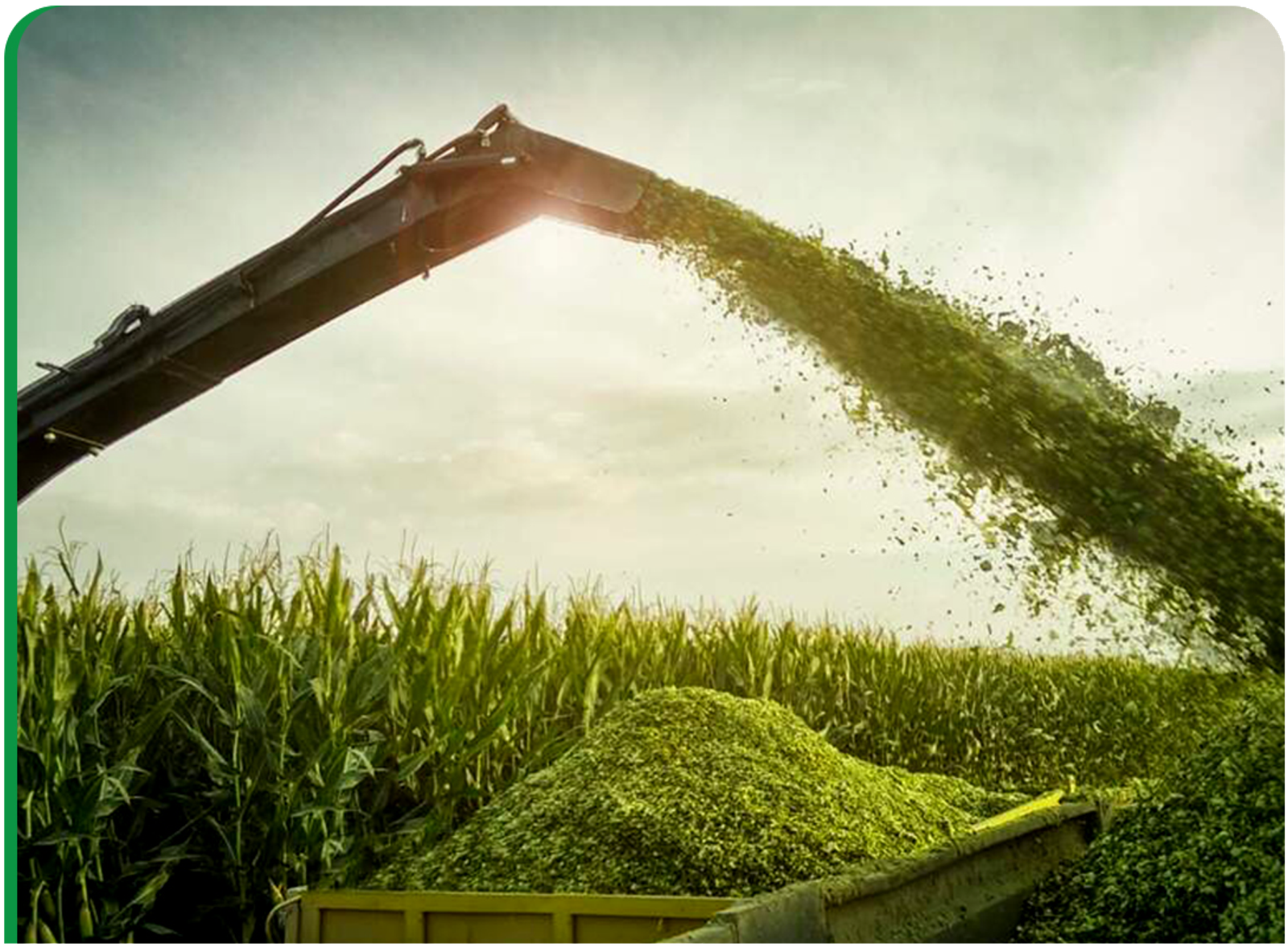
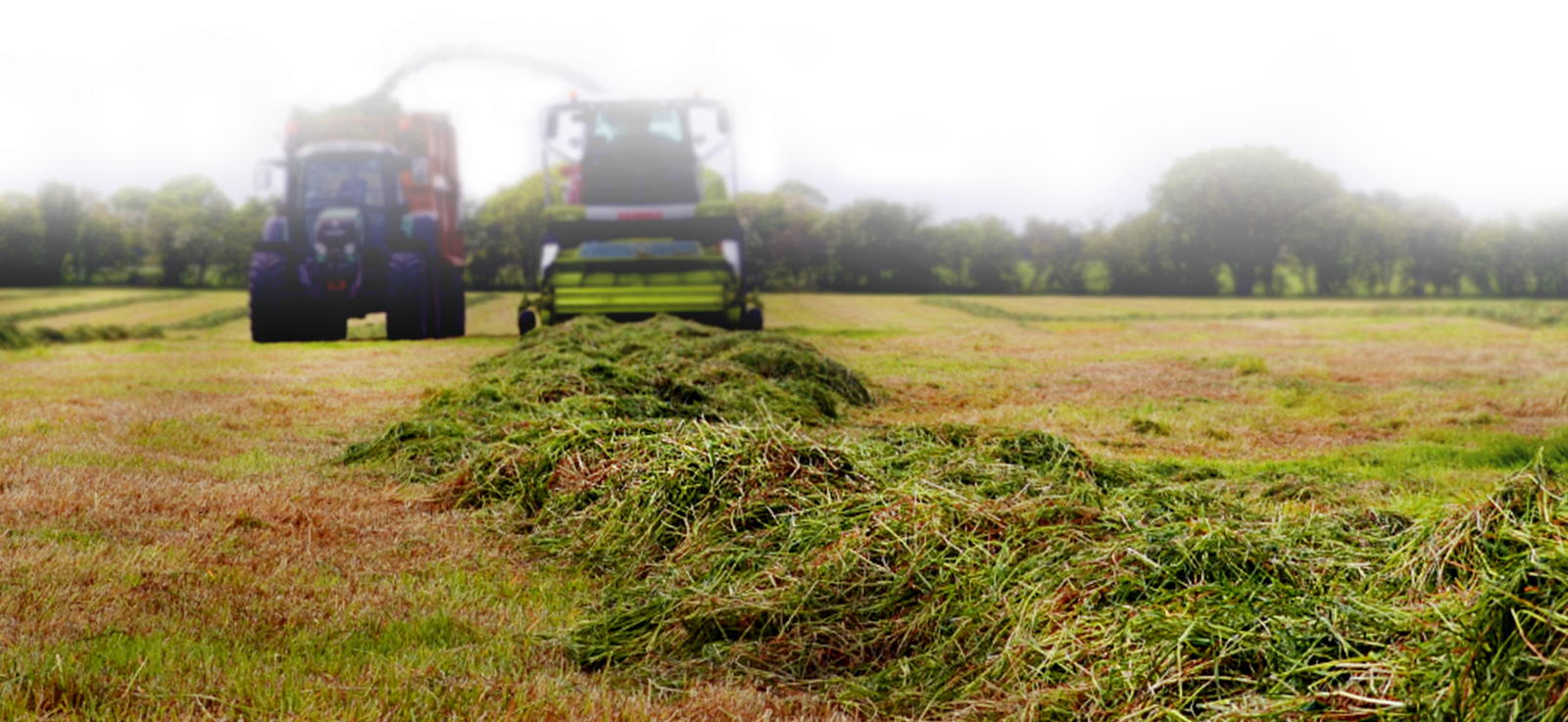
Silage is a forage preservation technique where fresh Rhodes grass is harvested and then ensiled in airtight conditions to undergo fermentation.The process involves tightly packing the chopped Rhodes grass into round bales, creating an anaerobic environment that encourages lactic acid bacteria to dominate and initiate the preservation process.
The fermentation process in Rhodes grass silage helps reduce the pH, preventing the growth of spoilage microorganisms and preserving the forage. This ensiling method is utilized to store and maintain the nutritional quality of Rhodes grass forage, providing a high-quality feed source for livestock. Commonly employed in dairy, beef, and other livestock operations, silage from Rhodes Grass serves as a valuable supplement to the animals’ diets.
RHODES GRASS SILAGE
Conservation of Nutrients: Unlike traditional haymaking, which can lead to significant nutrient losses due to sun exposure and leaching, silaging locks in essential nutrients like proteins, carbohydrates,vitamins, and minerals. Silaging Rhodes grass preserves its nutrient content, providing a high-quality forage source for livestock.This is particularly beneficial during periods of forage scarcity, ensuring animals receive essential nutrients.
Enhanced Palatability: Silage, enriched with lactic acid produced during fermentation, imparts a slightly acidic and tangy flavor that appeals to some animals more than dry Rhodes grass. This elevated taste stimulates their appetite, resulting in increased consumption.
Reduced Wastage: Silage, due to its ability to be stored in a controlled environment, is more effective in minimizing forage wastage compared to other preservation methods. This controlled Storage not only prevents exposure to weather conditions but also reduces losses.When ensiling Rhodes grass, this method plays a crucial role in establishing an anaerobic environment, thereby lowering the risk of molds and spoilage.
Enhanced Digestibility: The fermentation process involved in making silage can enhance the digestibility of rhodes grass. Livestock may find it easier to consume and digest, making the nutrients more readily available for absorption. This enhancement in digestibility contributes to the overall nutritional value of the silage.