Quality Control
Quality Control at K3 Agro Solutions:
Quality control at K3 Agro Solutions is implemented across three structured stages to ensure product integrity from farm selection through post-production handling, across all forage products.

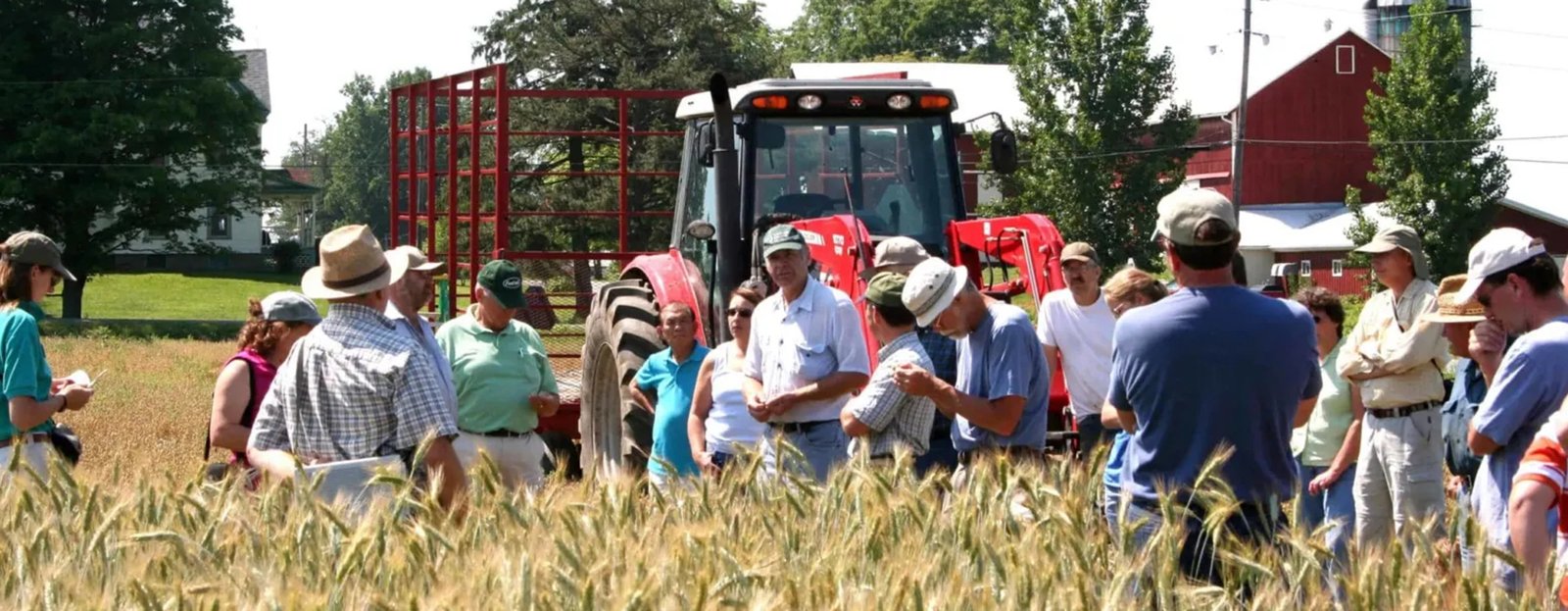
Stage 1: Pre-Production
1. Crop Control
Quality control begins at the field level through proactive farmer engagement and structured inspections. Farms are evaluated using objective, measurable agronomic parameters to ensure alignment with K3 Agro Solutions’ quality standards.
Key evaluation criteria include:
- Crop History Analysis: Review of past crop performance and consistency to identify reliable forage sources.
- Plant Health and Characteristics:
- Plant structure and maturity indicators relevant to the forage type
- Development of the harvestable portion (e.g., stems, heads, pods, or cobs, depending on crop)
- Yield density and uniformity
- Visual assessment for nutrient deficiencies, lodging, or stress symptoms
- Pest and Disease Status: Verification that crops are free from pest infestation and disease pressure.
- Yield Assessment: Measurement of yield potential while maintaining nutritional and quality benchmarks.
Only farms meeting these criteria are approved to move forward into production.
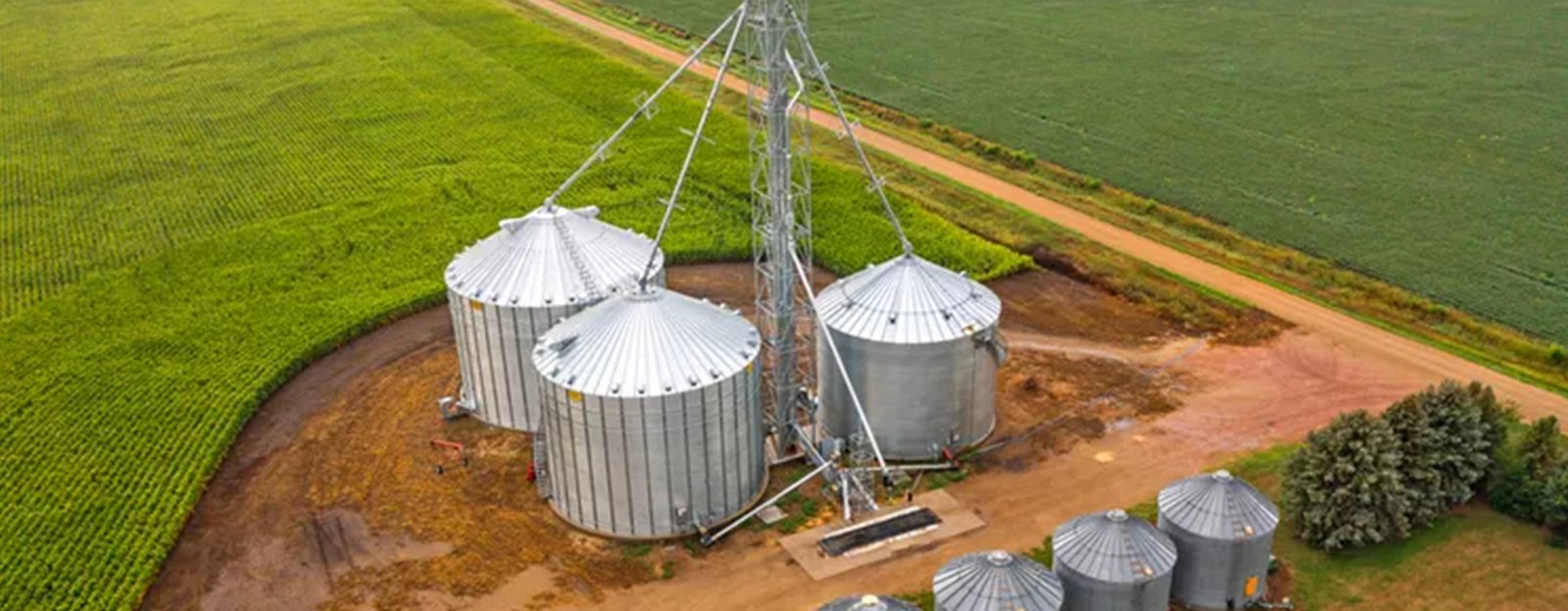
2. Storage Site Control
Baling and storage sites are carefully selected and prepared to protect forage quality and ensure operational safety.
- Site Selection
Storage sites are evaluated based on the following criteria:
- Site Selection
- Strategic Proximity: Located within a 5 km radius of fields to enable timely packing and minimize handling-related quality loss.
- Accessibility: Reliable road access to support efficient logistics and equipment movement.
- Flood Avoidance: Elevated locations selected to reduce flood risk during monsoon or heavy rainfall.
- Natural Drainage: Areas with effective natural drainage to prevent water accumulation.
Land Preparation
- Clearing of debris, rocks, and vegetation
- Preventive treatment with approved rodenticides and herbicides to control rodents and suppress weed growth
These measures establish a clean, secure, and pest-controlled environment before baling begins.
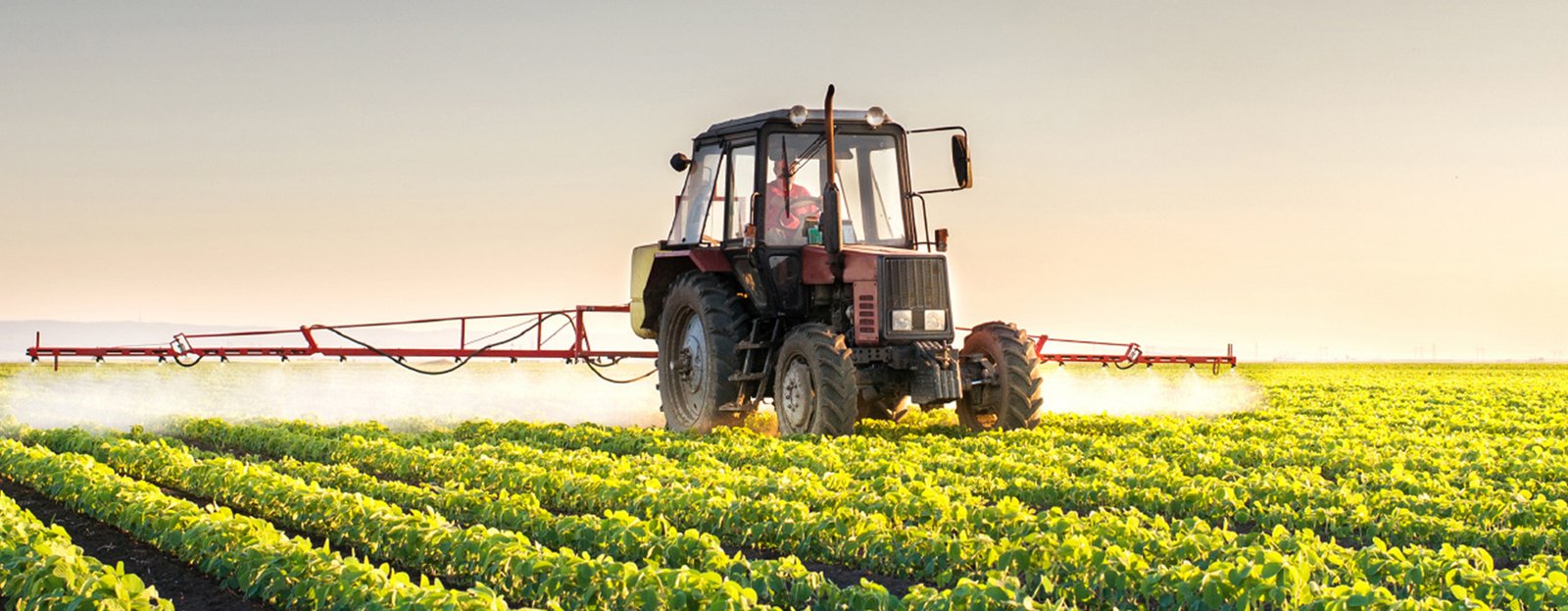
Stage 2: Production
1. Quality Control of Crop
The production process is built on close farmer coordination, precision harvesting, and controlled baling to ensure consistent quality and optimal nutritional value across forage types.
- Farmer Coordination and Harvest Timing:
K3 Agro Solutions maintains daily liaison with farmers during the pre-harvest phase. Farmers are guided on when to stop irrigation and prepare fields, allowing forage crops to reach optimal dry matter levels and correct physiological maturity before harvesting. - Precision Harvesting with Advanced Harvesters:
Crops are harvested using modern forage harvesters, enabling controlled cutting, uniform chopping, and minimal crop loss.
- Controlled Cutting Height: Harvesting height is adjusted according to forage type to reduce soil contamination and ash content, avoid excessively lignified plant material, and improve digestibility.
- Precision Chopping and Uniformity: Chop length is carefully controlled to achieve uniform particle size, supporting effective compaction and reducing dry matter losses.
- Kernel or Fiber Processing (where applicable): Integrated processing systems are used when required to improve nutrient availability and overall feed utilization.
- High-Density Baling with Advanced Balers:
Harvested material is processed using high-performance balers designed for forage preservation.
- Low-Oxygen / Zero-Air Compaction: High-pressure compaction minimizes oxygen inclusion, supporting stable fermentation and reducing spoilage risk.
- High Bale Density and Uniform Compression: Produces consistently compact bales that maintain shape, improve storage stability, and reduce nutrient loss.
- Integrated Wrapping Systems: Enable immediate sealing of bales, protecting forage from environmental exposure.
Each stage of coordination, harvesting, chopping, and baling is closely supervised to preserve nutritional value, minimize losses, and ensure adherence to K3 Agro Solutions’ quality standards.
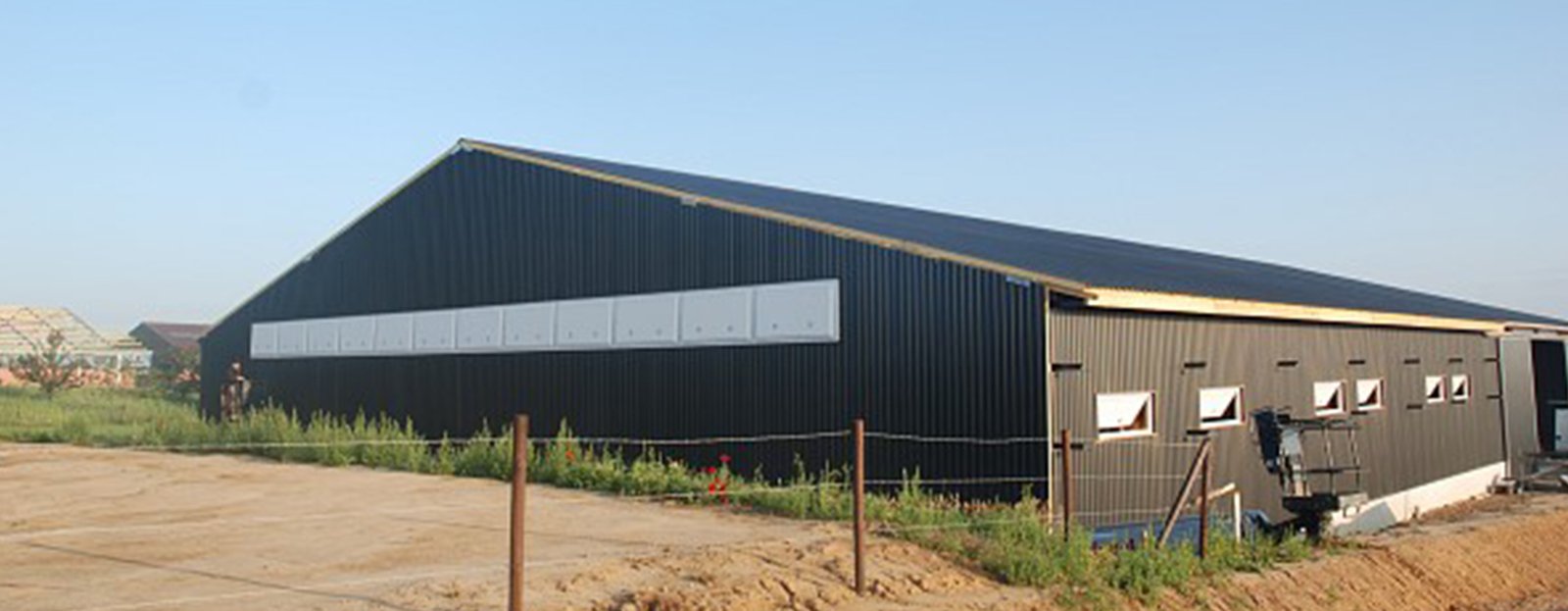
2. Storage Site Control
After harvesting and baling, forage products are handled and positioned to protect structural integrity and nutritional quality during storage.
- Protected Transportation:
Bales are transported using bale catcher tractors, minimizing manual handling and reducing physical damage. - Equipment Condition Control:
Handling equipment is inspected and maintained daily to prevent tearing or scratching of bale wrapping. - Systematic Open-Field Arrangement and Controlled Bale Stacking:
Bales are stacked with an approximate 1-foot clearance between adjacent units, allowing:
- Clear visual inspection for punctures or wrapping damage
- Improved accessibility for routine monitoring
- Safe and efficient bale handling operations
Damage Prevention During Handling:
Adequate spacing ensures bales can be moved individually without damaging surrounding units. Any compromised bales are identified and addressed promptly.
3. Inventory Control
Inventory quality during production-stage storage is maintained through:
- UV-Protected Food-Grade Wrapping to protect against sunlight, water, and environmental stress
- Weekly Quality Inspections to verify wrapping integrity and detect early signs of damage or contamination
Stage 3: Post-Production
1. Inventory Control
Post-production inventory is managed through enhanced monitoring, traceability, and access control to ensure long-term product integrity.
- UV-protected, food-grade wrapping maintained
- Continued 1-foot bale spacing for inspection and safe handling
- Weekly inspections for punctures, moisture exposure, or contamination
- Damage identification and segregation to prevent quality deterioration
- Batch identification and traceability by production batch and harvest period
- Environmental monitoring for standing water or excessive moisture
- Controlled access restricted to authorized personnel only
These controls ensure inventory remains safe, stable, traceable, and fit for use throughout storage.
- Controlled Cutting Height: Harvesting height is adjusted according to forage type to reduce soil contamination and ash content, avoid excessively lignified plant material, and improve digestibility.
- Precision Chopping and Uniformity: Chop length is carefully controlled to achieve uniform particle size, supporting effective compaction and reducing dry matter losses.
- Kernel or Fiber Processing (where applicable): Integrated processing systems are used when required to improve nutrient availability and overall feed utilization.
2. Rodent Control
A structured rodent management program is implemented across all storage areas, including:
- Preventive measures to discourage infestation
- Continuous monitoring of storage zones
- Targeted control actions when required
These measures maintain a clean, pest-free storage environment and protect stored forage products from contamination or physical damage.
Our Commitment
Through disciplined field evaluation, precision harvesting, and structured storage practices, K3 Agro Solutions delivers consistent, reliable, and high-quality forage products across its entire portfolio.