Work Shops
Sowing Workshop
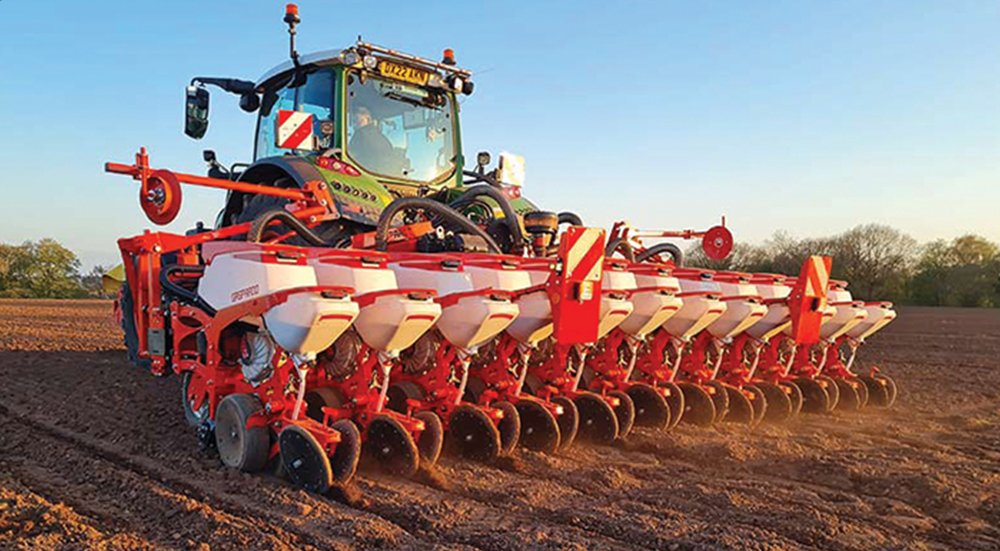
The sowing workshop focuses on equipping maize farmers with advanced techniques for effective seed planting and optimal crop establishment. Participants learn about the importance of seed selection, proper spacing, planting depth, and timing to ensure maximum germination rates and healthy crop growth. The workshop also covers soil preparation, moisture management, and the use of precision sowing tools to improve efficiency and yield potential. By adopting these best practices, farmers are better prepared for a successful maize planting season, leading to improved productivity and sustainability.
Pest and Disease Management Workshop
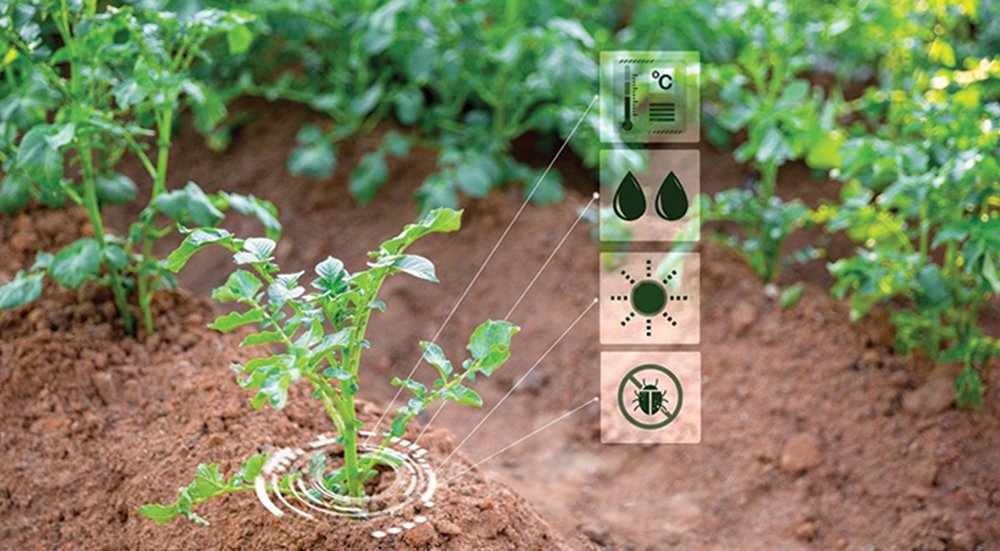
The pest and disease management workshop focuses on teaching maize farmers effective strategies to identify, prevent, and control common pests and diseases that threaten their crops. Participants learn about integrated pest management (IPM) techniques, natural pest control methods, and how to recognize early signs of disease. The workshop also covers the safe use of pesticides, crop monitoring practices, and how to create a healthy crop environment to reduce infestations. By implementing these practices, farmers are empowered to protect their maize crops, ensuring healthier plants and higher yields.
Post-Harvest Management Workshop
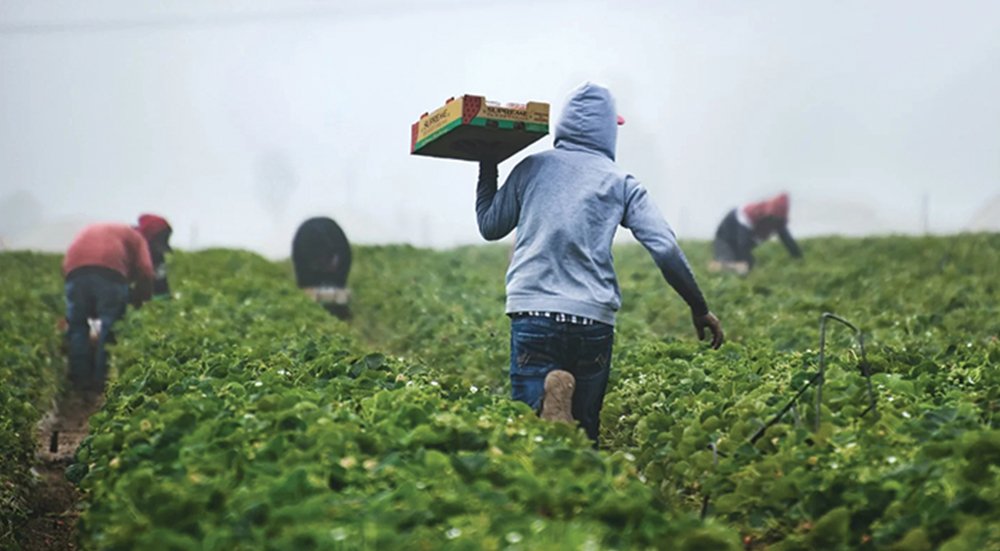
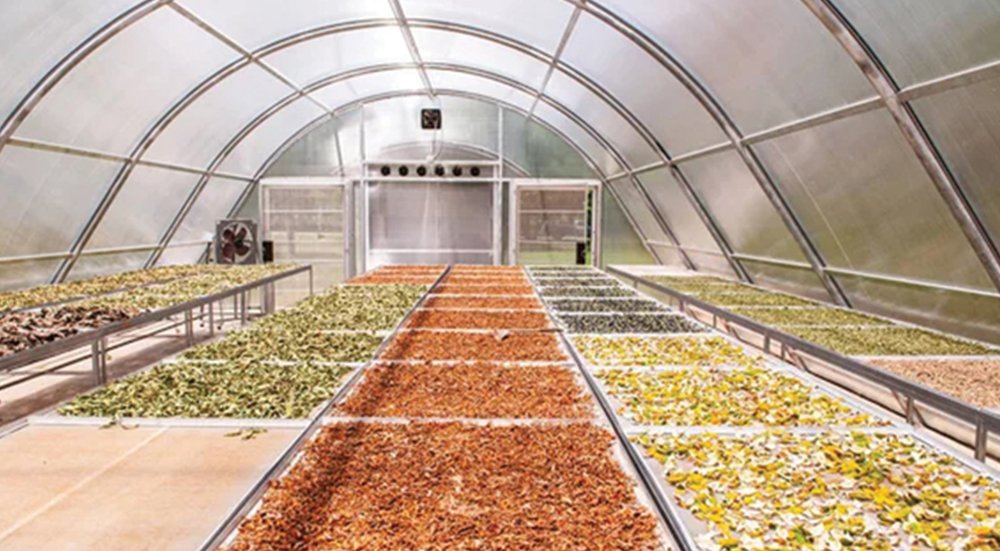
The post-harvest management workshop focuses on teaching maize farmers effective methods to reduce crop losses and maintain the quality of their harvest. Participants learn best practices for harvesting, drying, and proper storage techniques to prevent spoilage, pest infestations, and mold growth. The workshop also covers grading, packaging, and transportation strategies to ensure that maize reaches markets in optimal condition. By applying these post-harvest practices, farmers are empowered to minimize losses, preserve maize quality, and increase their profitability.
Value Addition & Processing Workshop
The value addition and processing workshop focuses on empowering maize farmers with skills to transform their maize into high-quality animal feed products. Participants learn how to process maize into various feed forms, such as silage or ground feed, that enhance nutritional value for livestock. The workshop covers best practices in drying, grinding, mixing, and preserving maize for feed, as well as the economic benefits of producing value-added products. By adopting these techniques, farmers can diversify their income streams and meet the growing demand for quality animal feed in the livestock sector